

Now Hiring Second Shift Roles Production, Quality, Maintenance and Warehouse
Second shift can be a strong fit for people who do their best work later in the day, want steady hours outside the typical daytime schedule, and enjoy being part of a hands-on operation. We are currently hiring for multiple second shift positions across production, quality, maintenance, filling, machine operation, and warehouse support.
Open roles include Production Manager, Production Supervisor, Quality Supervisor, Quality Tech, Maintenance, Filling Tech, Machine Operator, and Warehouse. Some experience is needed, especially for leadership, technical, quality, and equipment-focused positions.
If interested, please reach out by calling our office at 843-539-1122.

Second shift openings are available across several teams
A strong second shift depends on more than one role. Production needs leaders who can keep the line moving. Quality needs detail-focused people who can help protect standards. Maintenance needs skilled hands ready to troubleshoot equipment. Warehouse support keeps materials and finished goods flowing in the right direction.
These openings cover several key parts of the operation:
Open role | General focus |
Production Manager | Leading production activity, supporting teams, and helping meet shift goals |
Production Supervisor | Overseeing line employees, workflow, safety, and shift performance |
Quality Supervisor | Supporting quality checks, documentation, and quality team direction |
Quality Tech | Performing checks, recording results, and helping maintain product standards |
Maintenance | Inspecting, repairing, and supporting equipment during the shift |
Filling Tech | Operating or supporting filling equipment and related line tasks |
Machine Operator | Running production equipment safely and consistently |
Warehouse | Moving, staging, receiving, organizing, or shipping materials and products |
These are practical, hands-on roles. They suit people who take attendance seriously, can follow procedures, and understand that good work on second shift affects the whole operation.
What second shift work usually requires
Second shift is different from a standard daytime schedule. The pace can be steady, and the team often needs people who can stay focused later in the day. Communication matters because second shift often picks up work from first shift and prepares the operation for the next day.
Good second shift employees tend to be reliable, alert, and comfortable working as part of a crew. They also understand that safety, quality, and production goals all matter at the same time.
This kind of work may include:
Standing, walking, lifting, or moving for parts of the shift
Wearing required safety gear
Following written procedures
Keeping work areas clean and organized
Reporting issues quickly
Working around production equipment
Communicating clearly with supervisors and coworkers
Paying attention to product quality and line performance
Experience is helpful because second shift teams often need people who can get up to speed without constant direction. That does not mean every role requires the same background. A supervisor role will call for different experience than a warehouse position. A maintenance role will call for different skills than a filling tech position.
The best first step is simple: call the office, share the role you are interested in, and ask what experience is needed for that position.
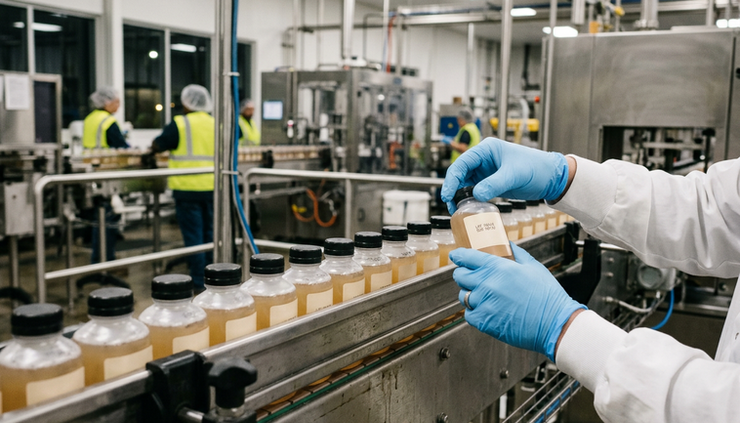
Production roles need steady leadership and line awareness
Production work depends on coordination. Materials, people, machines, timing, and quality checks all have to line up. When one part slows down, the rest of the shift can feel it.
Production Manager
The Production Manager role is a leadership position. It may be a fit for someone with prior production leadership experience, strong communication skills, and the ability to manage priorities during a busy shift.
This role may involve guiding supervisors or team members, watching production progress, helping solve issues, and making sure work is completed safely and correctly. A good production manager is calm under pressure and knows how to keep people focused without losing sight of quality.
Helpful experience may include:
Manufacturing or production leadership
Shift planning or team scheduling
Line performance tracking
Safety awareness
Problem solving during live production
Coaching supervisors or employees
Production Supervisor
The Production Supervisor role is closer to the floor. This position may involve assigning work, checking line progress, helping train employees, and reporting issues to management.
A strong supervisor notices small problems before they become bigger ones. They know when to step in, when to ask questions, and when to escalate an issue. They also set the tone for the crew. If the supervisor is organized and steady, the shift usually runs better.
This role may be a good match for someone who has worked in production before and is ready to lead others.
Quality roles protect the product and the process
Quality roles are critical because they help confirm that products meet requirements before, during, and after production. These positions call for attention to detail, good documentation habits, and the confidence to speak up when something looks wrong.
Quality Supervisor
The Quality Supervisor role may be a fit for someone with experience in quality control, quality assurance, production checks, or compliance-related work. This person may help guide quality techs, review records, support inspections, and work with production leaders when quality questions come up.
Good quality supervisors are fair, consistent, and careful. They do not guess when records, measurements, or procedures matter. They help keep the team on track by making quality part of the shift, not an afterthought.
Quality Tech
The Quality Tech role is hands-on and detail-heavy. Quality techs may check products, collect samples, record information, review line conditions, and report anything that falls outside expectations.
This role can be a strong fit for someone who is observant, patient, and comfortable following step-by-step procedures. Accuracy matters. A missed detail can create extra work later, so quality techs need to stay sharp throughout the shift.
Helpful traits for quality roles include:
Good recordkeeping
Comfort with measurements or checks
Clear communication
Patience with repeated tasks
Willingness to follow procedures exactly
Ability to raise concerns professionally
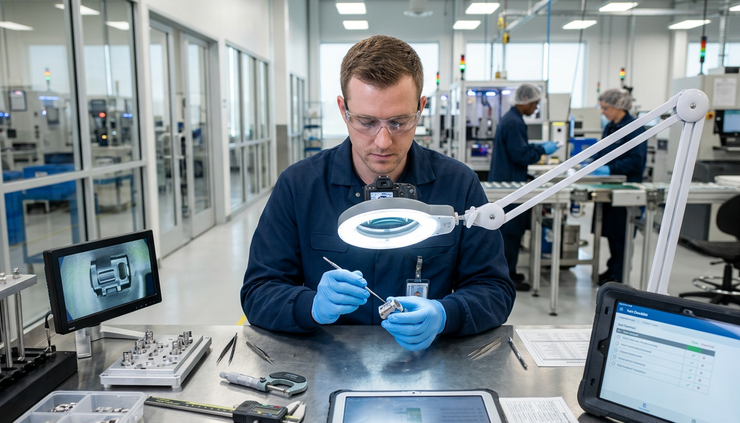
Maintenance, filling, and machine operation keep equipment running
Second shift equipment roles are important because machines need safe, consistent attention. When equipment runs well, the team can stay productive. When something goes wrong, skilled employees help reduce downtime and protect the product.
Maintenance
The Maintenance role may involve inspecting equipment, troubleshooting mechanical issues, performing repairs, and helping keep production moving. Depending on the facility and equipment, maintenance workers may need experience with mechanical systems, electrical basics, tools, preventive maintenance, or production machinery.
This role is a good fit for someone who likes solving problems with their hands. A maintenance employee needs patience, safety awareness, and the ability to look for the cause of a problem instead of only fixing the symptom.
Strong maintenance candidates often bring:
Experience with industrial equipment
Mechanical troubleshooting skills
Tool knowledge
Safety-first work habits
Comfort working around active production areas
Clear communication with operators and supervisors
Filling Tech
The Filling Tech role supports filling equipment and related production tasks. This may include setting up equipment, watching fill levels, checking line flow, responding to small issues, and keeping the area clean and safe.
A filling tech needs to be alert. Small changes on a filling line can affect product consistency, packaging, or speed. Experience with filling machines, packaging lines, food or beverage production, or similar manufacturing work may be helpful.
Machine Operator
The Machine Operator role involves running equipment safely and correctly. Operators may start, stop, monitor, adjust, and clean machines based on the needs of the shift.
Good machine operators do not just push buttons. They listen to the machine, watch product flow, notice changes, and communicate when something seems off. They follow procedures and understand that consistency matters.
This role may be right for someone with experience in manufacturing, packaging, production lines, or equipment operation.
Warehouse roles support every part of the shift
Warehouse work keeps materials and finished goods moving. A production line cannot run well if materials are missing, staged incorrectly, or hard to find. Warehouse employees help support the full operation by keeping items organized and ready.
The Warehouse role may include receiving, picking, staging, moving, loading, unloading, counting, or organizing materials. Depending on the position, forklift or pallet jack experience may be useful, but interested applicants should call to ask about the exact requirements.
Warehouse employees need to be dependable and aware of their surroundings. They often work near equipment, stacked materials, and moving traffic. Safety and organization are both important.
A good warehouse candidate may have experience with:
Material handling
Shipping or receiving
Inventory counts
Pallet movement
Forklift or pallet jack operation
Loading and unloading
Keeping storage areas clean and organized
Warehouse work can be physical, but it also requires accuracy. Moving the wrong item, missing a count, or placing materials in the wrong location can slow down production. The best warehouse employees combine speed with care.
Some experience is needed for these positions
Because these openings support second shift operations, some experience is needed. The exact type of experience depends on the role.
Leadership roles may require previous supervisor or manager experience. Quality roles may require experience with inspections, documentation, product checks, or production standards. Maintenance roles may require technical or mechanical experience. Machine operator and filling tech roles may require previous equipment or production line experience. Warehouse roles may require material handling, inventory, or shipping and receiving experience.
That said, not every strong candidate has the same background. Experience can come from many settings, including:
Manufacturing
Packaging
Food or beverage production
Warehousing
Distribution
Industrial maintenance
Quality control
Team leadership
Equipment operation
If the role sounds like a match, call and ask. A short conversation can help clarify which openings fit your background.
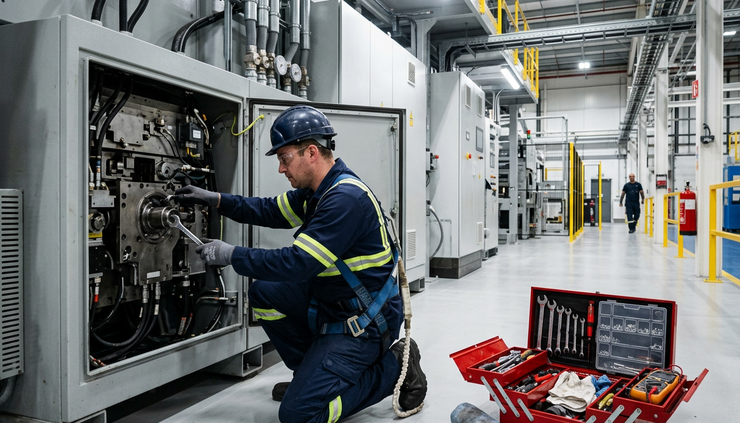
How to prepare before calling
A little preparation can make the call easier and more productive. Before reaching out, think through the position you want and the experience you can offer.
Have these details ready:
The role or roles you are interested in
Your recent work experience
Any production, warehouse, quality, maintenance, or machine operation background
Leadership experience, if applying for manager or supervisor roles
Equipment experience, if applying for maintenance, filling tech, or machine operator roles
Your general availability for second shift
The best way to contact you back
You do not need a perfect speech. Just be clear and direct. For example, you can say:
“I’m calling about the second shift openings. I have experience in production and machine operation, and I’d like to ask which positions may be available.”
If you have a resume, keep it nearby. If you do not, write down your past job titles, employers, dates, and main duties before calling. That can help you answer questions with more confidence.
Call the office if you are interested
We are hiring for multiple second shift roles now, including Production Manager, Production Supervisor, Quality Supervisor, Quality Tech, Maintenance, Filling Tech, Machine Operator, and Warehouse.
These openings are a strong fit for dependable people with relevant experience who are ready to support a busy hands-on operation. If you have worked in production, quality, maintenance, machine operation, filling, or warehouse environments, one of these roles may be a good match.
To learn more or express interest, call the office at 843-539-1122. Be ready to share which position you are interested in and what experience you bring.


Comments